




For Freelancers Who Want To Make More Money With AI
This AI Freelance System Lets Freelancers Earn 50–150% More Per Project, Win Back 10–20 Hours A Week, Find More Clients - And You Can Learn It In As Little As 7 Days From Now
Start earning more from every project with an AI-First Fulfilment Model - no technical background, no developer. Put it to work today, for just $37.
Works with the AI you already use



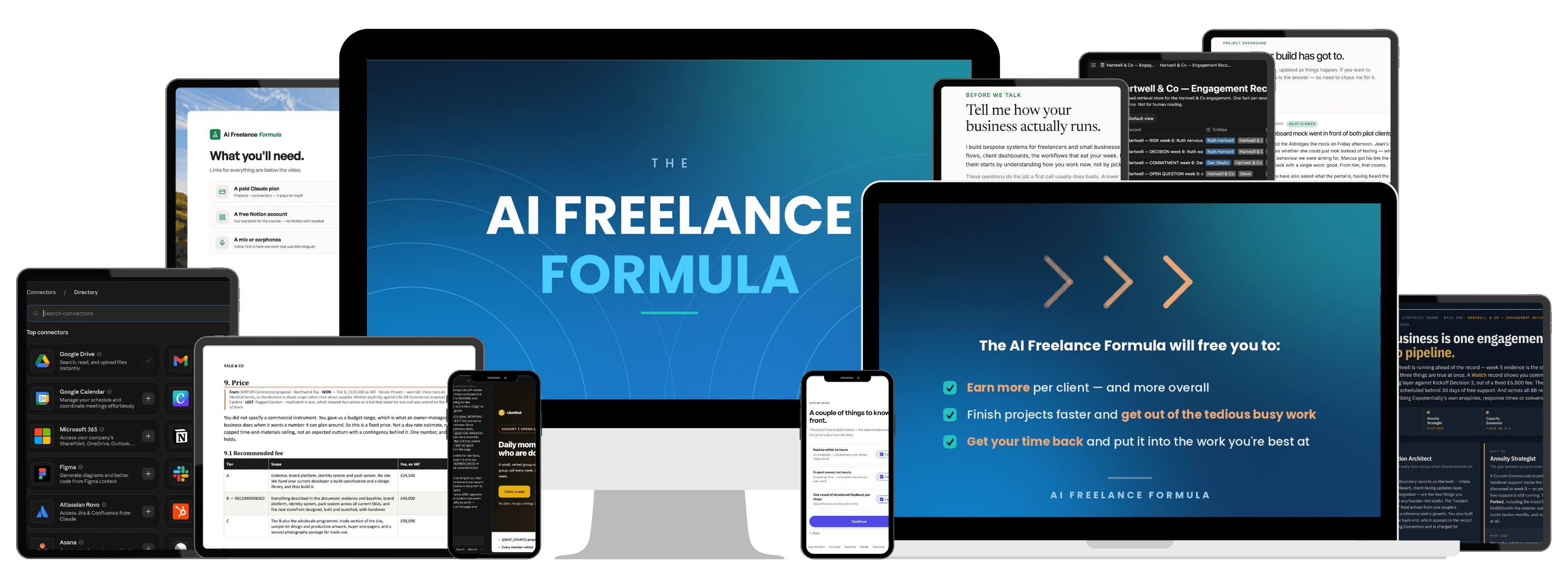
The AI Freelance Formula will free you to:
- Earn more per client - and more overall
- Finish projects faster and get out of the tedious busy work
- Get your time back so you can spend it on other projects or relax and do the things you love
Earn 34% More Per Hour With AI
Freelancers who use AI in their work earn 34% more than those who don’t
Upwork Future Workforce Index, 2026
What is the AI Freelance Formula?
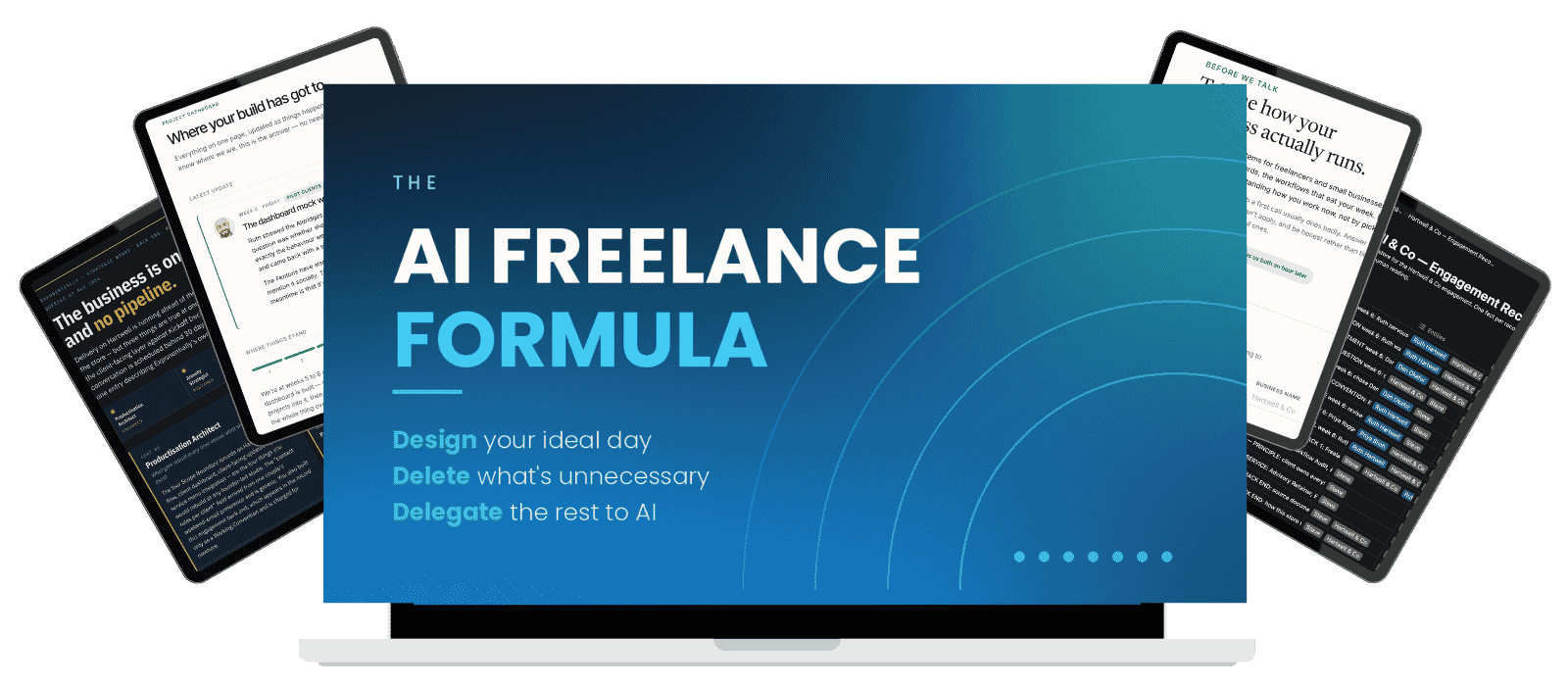
The AI Freelance Formula is a counterintuitive approach to using AI in your freelance business to become more productive and earn more money by transforming to an AI-First Fulfilment Model.
An AI-First Fulfilment Model gives you more freedom as a freelancer. It lets you push out more work more quickly. It removes the tedium of being stuck in emails and endless back-and-forth.
A lot of freelancers already know this. What they don’t know is how to flip over to it. That’s exactly what the AI Freelance Formula is designed to do.
Here’s how it will help you transform:
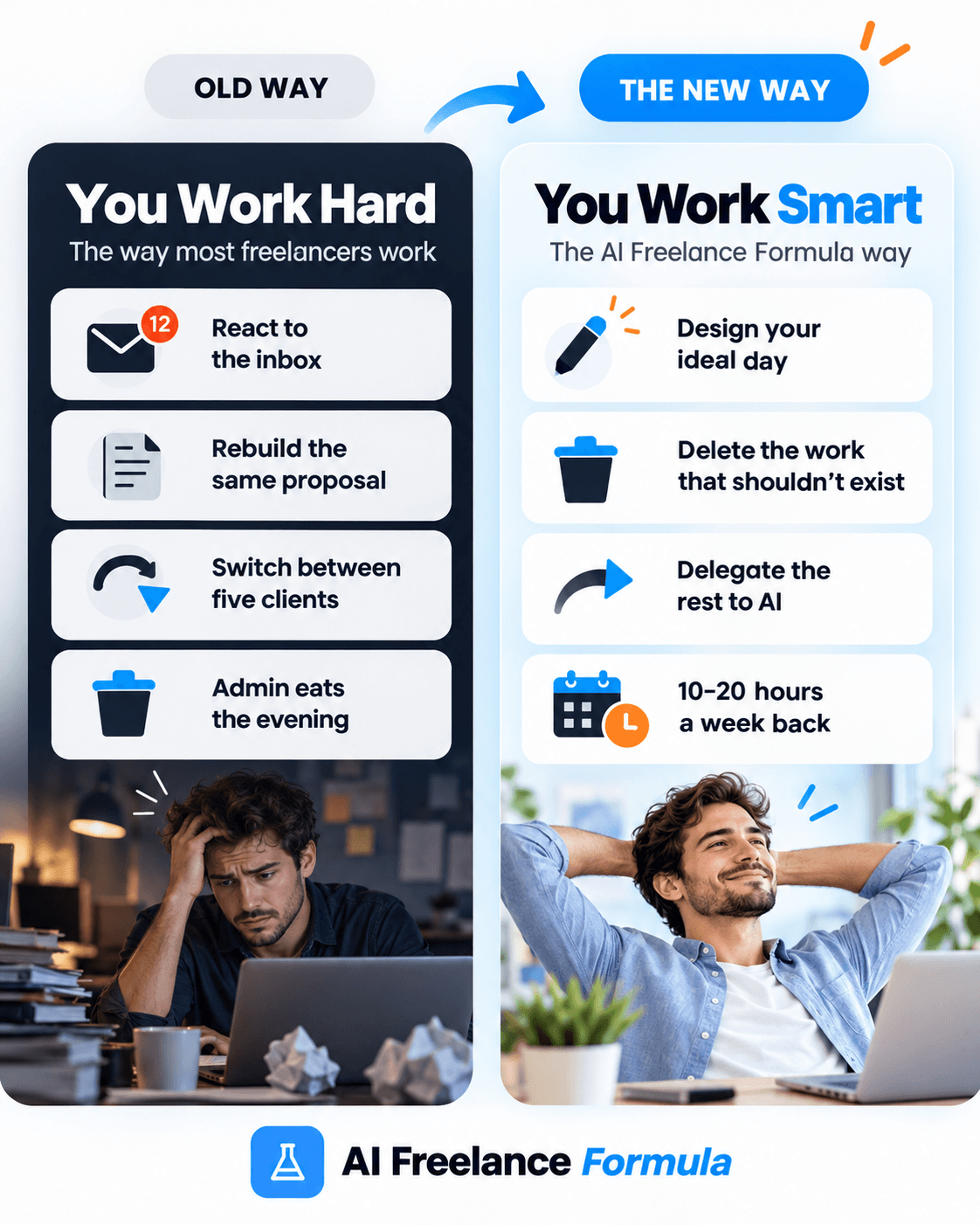
- Design your ideal day and fulfilment model
- Delete the work that’s unnecessary and gets in your way
- Delegate the rest to AI so you can ship more work for clients faster
All of this transformation to an AI-First Fulfilment Model is possible within a couple of hours. We’ll show you how to get it set up and start streamlining your business with AI in a matter of hours and days.
We do this by showing you a formula that freelancers can use to actually help get more of the tedious and mundane work done with AI.
The AI Freelance Formula creates real working systems that:
- hold your business in memory and answer like a partner who’s read every client file
- act as a board of advisors on whatever projects you have at hand
- give you direct client feedback on what you need to do next
- replace the update emails with a client dashboard
- gather intelligence on prospects and help you sell to them
- help you build more complex projects with AI that you can sell to your clients
- rapidly produce proposals
- build websites from live examples in one shot, then critique and refresh them
Here’s what you’ll actually have running.
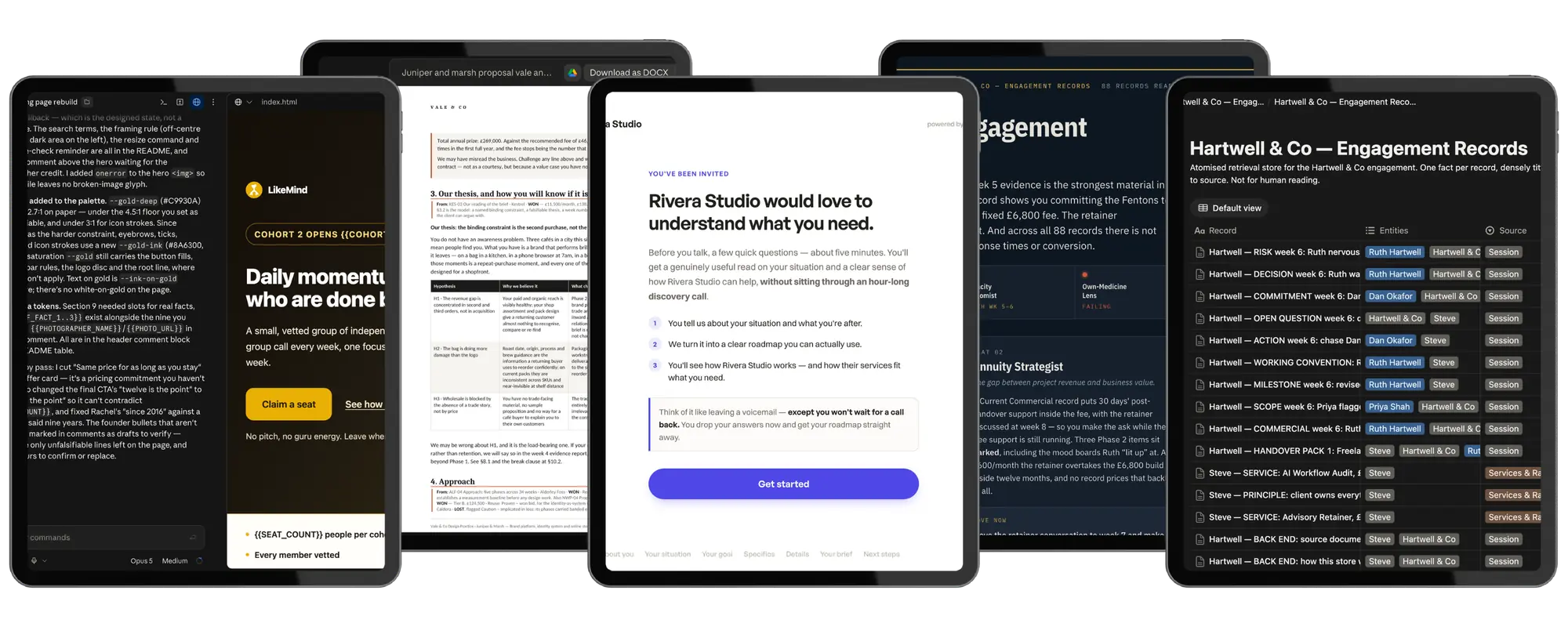
And here’s what we’ll install in your freelance business this week.
Every training inside the formula will show you how to set up something real in your business that you can use to start fulfilling for clients that wasn’t there days before.
Here’s the proof that it’s worth doing this.
The data already shows the difference: freelancers doing complex, AI-augmented work saw earnings rise 45% last year. Generic push-button AI work fell 13%.
Future Workforce Index, 2026
Copy this AI Freelance Formula and earn up to $300–500 more per project while finishing the work in half the time.
And that’s what buys you the rest: more of the work you love, for clients you actually like working with, and the hours back for friends and family. A business you’d choose again. That’s the AI Freelance Formula.
NOW AVAILABLE FOR
INSTANT ACCESS
Only $97 $37
Save $60 today
Get the full course - transform your business into an AI-First Fulfilment Model - for just $37. Start your first module in the next 2 minutes.
Now Available For Instant Download
Secure checkout · Instant access · 30-day money-back guarantee



Haven’t watched the video? It’s the whole system running in a real freelance business - the AI that knows your clients, the dashboard, the proposals. No pitch. Watch it, then decide.
The Market Is Already Moving.
Those who can vs. those who can't.
AI is not flattening the labour market, it’s splitting it in two. Workers who can orchestrate AI are pulling ahead. Workers doing routine execution tasks are watching their rates stagnate.
— Upwork Future Workforce Index, 2026
Hard is the new easy.
AI is coming for your jobs. Heck, it’s coming for my job too. Easy tasks will no longer exist - hard tasks will become the new easy.
— Micha Kaufman, CEO of Fiverr, 2025
Capability just got cheap.
“Thinking work” is becoming as cheap as cloud storage.
— Forbes, 2025
The skill map is being redrawn.
AI is redrawing the freelancer skill map: from executors to integrators of intelligent systems.
— Malt UK, 2026
Get paid for judgement, not effort.
AI is being adopted everywhere. The value is where people bring expertise, judgement and business context to it.
— Nick Bloom, Stanford, via Upwork, 2026
The real risk.
Three in four UK freelancers couldn’t raise their rates last year. Standing still is now the expensive option.
— IPSE, 2026
The AI Freelance Formula
is a shortcut.
For twenty years I sat on the commercial side of the table at Microsoft and Google, running sales teams across EMEA. For the last twelve I’ve been freelance: just me, finding the clients, doing the work, running everything.
I was good at the part that mattered: sit with a client, understand their business, work out what would fix it.
But I couldn’t build the solutions at the pace clients wanted.
Since harnessing AI for fulfilment, everything has changed for me.
Because I’ve gone from the position where every idea went to a separate technical team, and once it left my hands I lost control. It was queued, watered down, or quietly never shipped.
To being in total control of both vision and delivery. Whatever the client needs, I build it and ship it myself.
Before the AI Freelance Formula, I knew what clients needed. I just couldn’t get it to them as fast as they wanted.

For the last three years it’s been five-plus hours a day, every day, hands on, doing everything - design, product, code, sales, marketing, operations, all of it.
Now smart freelancers can do the work of an entire team.

And you don’t have to be technical. Most freelancers don’t want to be. I just wanted to be able to do it all myself.
Since embracing this way of working, I’m regularly meeting clients, I know what to build, and I can build it or even sell it to them in the same week, on my own.
Before embracing an AI-First Fulfilment Model, doing both sales and fulfilment was possible, but was never easy for one freelancer to do on their own.
That was the constant struggle of being a freelancer before AI. You’d be stuck wearing all the hats:
- Finding clients
- Building for the ones you already had
- Dealing with feedback from the ones who weren’t happy
- Constantly stuck in the loop
But now, with AI, we can infuse our workflows with intuitive and intelligent systems and automations that help us ship our work at a higher standard and faster.
And the barriers to doing this are lower than ever and it’s open to any freelancer who’s willing to follow the process and learn how to do it.
You’ll be able to build what clients actually need, sell it to them and keep them happy.

The AI Freelance Formula makes all of that possible. I’ve boiled it down to only the essentials you need to transition to an AI-First Fulfilment Model as soon as this week, with all the fluff cut out.
And now that you’re here, you can duplicate the entire system I’ve created by ordering your copy of the AI Freelance Formula for just $37 today.
Here’s how it works:
Here’s What This Means for You and Your Business...
Here’s what’s possible to do at a rapid pace as a freelancer that used to take weeks or months, or to have more people on your team.
Before: a developer, a budget and weeks. Now: you, and an afternoon.
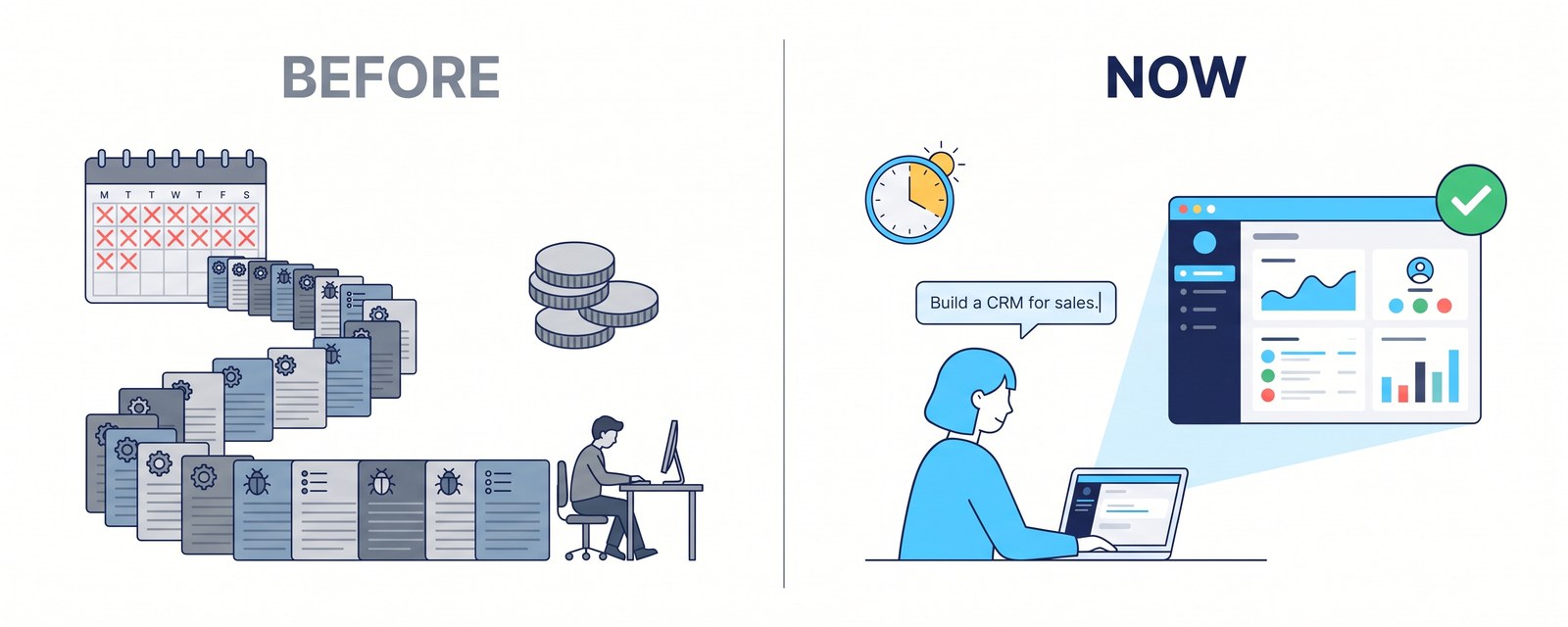
Until very recently this was simply true: if you wanted a system that ran part of your business for you - a client dashboard, a proposal engine, a tool built around how you actually work - you needed a developer, a budget and weeks of back-and-forth.
Custom tooling was for companies with teams. Freelancers made do with templates, spreadsheets and memory.
That’s no longer true.
Here’s what’s possible for a freelancer with tools like Claude right now.

It can hold your whole business in context and answer like a partner who’s read every file and client project, once it’s been given the structure.
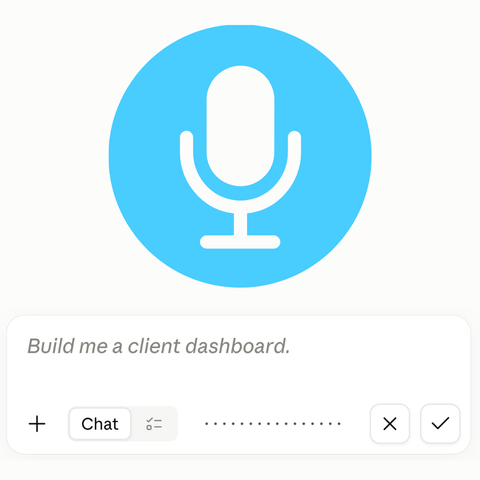
Meaning you can describe your working projects in plain English and have AI act as a co-pilot, executing almost instantly, meaning you can produce work faster.
All whilst minimising admin by connecting your own email and inbound client requests. So you can rapidly respond to anything that hits your desk, without having to task switch or get distracted.
And all this is possible without having to become technically proficient, hiring a developer, managing a million software tools or becoming anyone other than who you already are.
In fact, it’s easier than ever. We can do all this inside just one or two tools like Claude, or a speciality harness designed to work with AI tools. Like FreelanceFlow, the one I’ve developed just for freelancers.
What took weeks of back-and-forth with developers now takes an afternoon. Four in five people building software with AI today aren’t developers.
— Forbes / Lovable, 2026
Which means it will free you to:
- Deliver in days what used to take weeks
- Charge for judgement and outcomes - the part AI can’t do without you - not hours
- Offer services you couldn’t sell before: the dashboard, the automation, the site, the workflow
- Sell AI itself to the clients you already have
- Take on more work without taking on more hours
…and clients are paying for it.
The market has already started to move. Demand for data entry is down 43%, basic design down 28%, generic copywriting down 19%, as clients hand routine output to AI. Demand for AI-related freelance skills is up 109%.
Demand for AI-related freelance skills is UP.
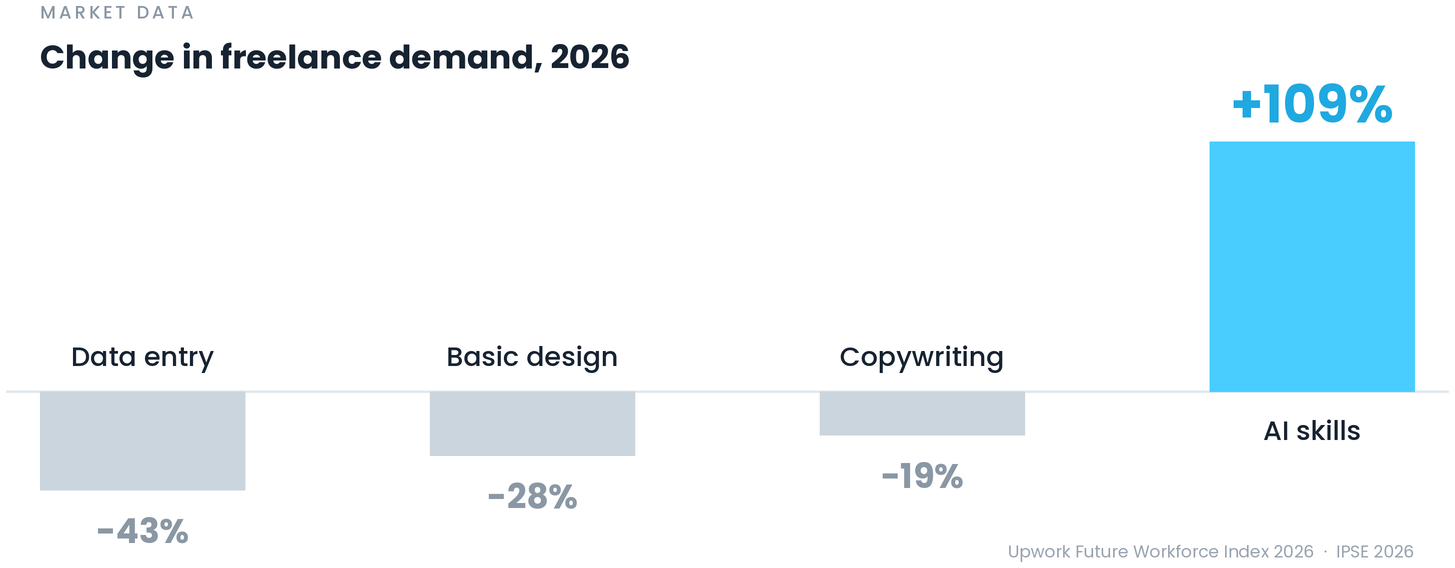
And in the UK, three in four freelancers couldn’t raise their day rate last year. The freelancers pulling ahead are the ones applying their own judgement on top of AI - the role Upwork now calls the AI Orchestrator.
— Upwork, 2026 · IPSE, 2026
And where AI is today is a fraction of where it’s going.
The CEO of Fiverr told his own freelancers that easy tasks will disappear and hard tasks will become the new easy.

Sam Altman has a betting pool running on the year the first one-person billion-dollar company appears.
Whether or not that’s you, the direction is set - and the freelancer who knows how to work with these tools now is the one who’ll capitalise as they get more capable, instead of paying full price to catch up later.
Here’s the part most people miss: it isn’t the tools. Everyone has the tools. It’s the way you approach them - what you set up, what you delete, what you hand over, and the thinking behind each of those calls - that decides which side of the split you’re on.
It’s Time to Decide
So every freelancer now has one decision to make. Keep working the way you always have - same tools, same hours, same rates. Or be one of the freelancers this change was made for, while it’s still early.
Get the approach right from day one.



That’s what the AI Freelance Formula gives you. Not another tutorial on Claude - the thought process to get what you want out of it, built into six short modules, so it’s yours from day one.
This may be the last time you see this page. Not because we’re taking it down. Not because it’s going away.
But we’re all busy. The world’s moving faster than ever. And because you’re here right now, this is the time to hop in on this. Not a week from now. Not a month from now. Not saving this page as a link you tell yourself you’ll come back to in a week, which never ends up happening.
So if you’re serious about doing this, we’ve priced it to make it a no-brainer. It’s only $37. I genuinely want to help, and I want this to be so accessible that there’s really no reason at all not to give it a try. With a 30-day no-questions-asked money-back guarantee at $37, you really can’t go wrong. So jump in, and let’s do it together.
In an AI-First world, speed is your advantage.
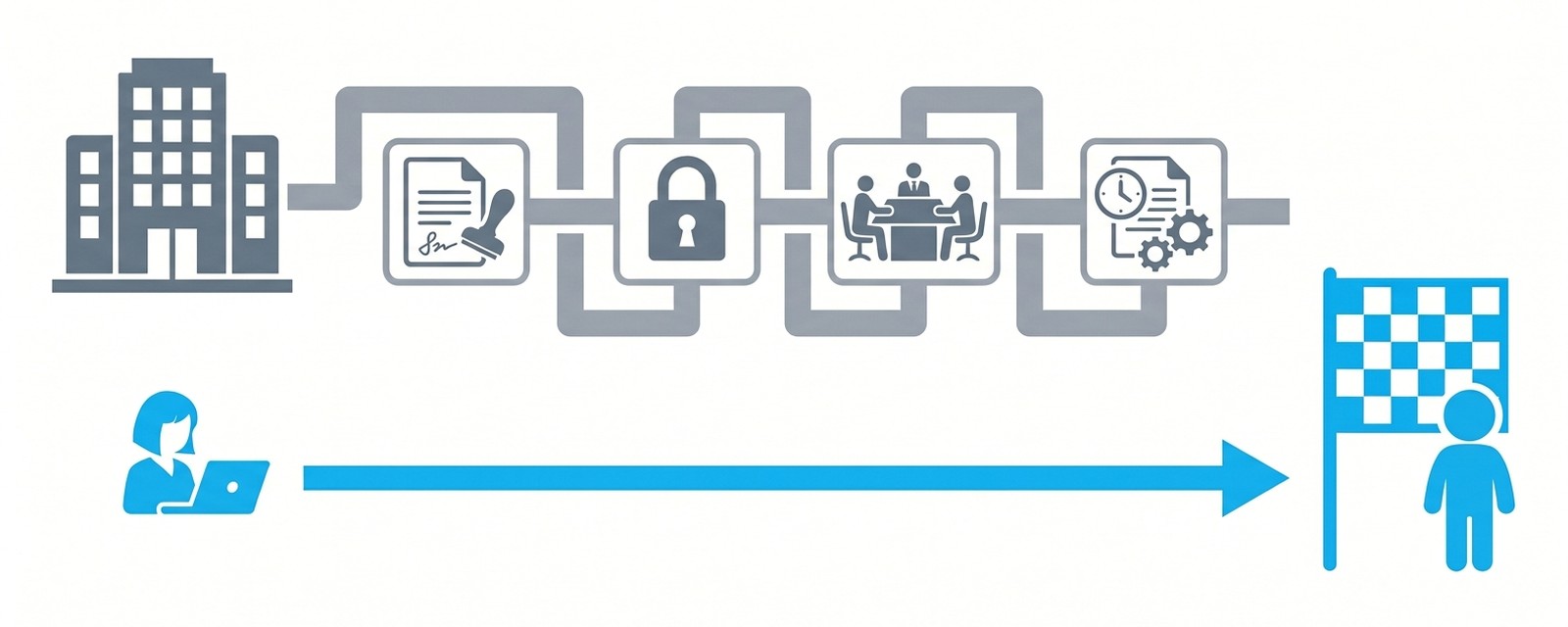
And it’s the smart freelancers, the ones who do embrace the AI Freelance Formula, switch to an AI-First Fulfilment Model and start harnessing AI in their business. They’re the ones who’ll not just take advantage of where AI is today, but also where it’s going next.
Because every job you do from now on is one that’s paying you to learn how to use these tools to do that work better and faster next time. Six, eight, twelve months from now you’ll not just be the specialist you are today, but one that knows how to work with AI and deploy AI-first projects. Putting you even further ahead of all the freelancers who didn’t make the choice and are scrambling, ignoring this, hoping it’s not happening.
You’ll be the one in position to take advantage of it.
So if you want to be part of this change and capitalise on everything that AI can do for your business, then order your copy of the AI Freelance Formula today and switch over to an AI-First Fulfilment Model. Make speed of fulfilment your and your clients’ biggest advantage. Starting as soon as next week.
Order your copy today.
Here’s Everything Included:
M0 - Welcome
What every freelancer needs to pivot to an AI-First Fulfilment Model. Straight in, no padding.
INSTANT ACCESS | INCLUDED
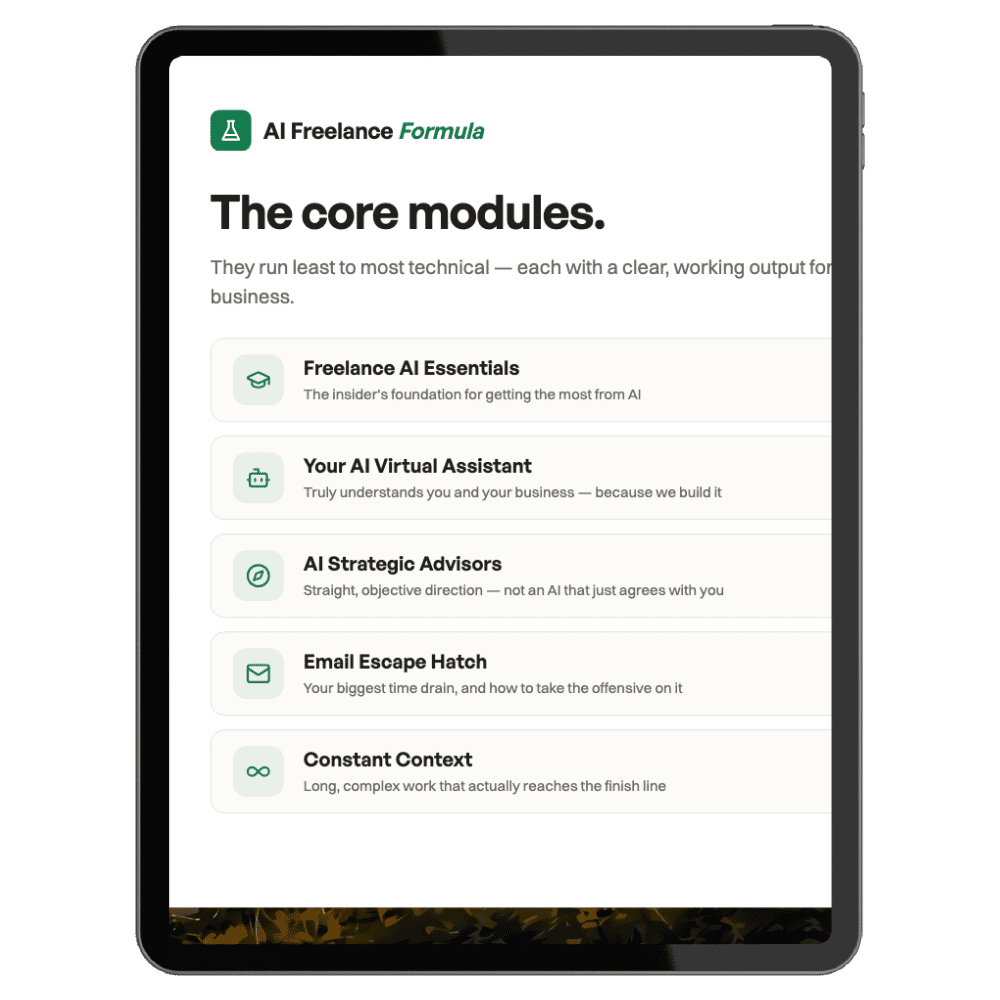
M1 - Freelance AI Essentials
Set AI up so it works for you instead of eating your time. Stop typing - talk your business in, and run an AI that actually knows it.
INSTANT ACCESS | INCLUDED
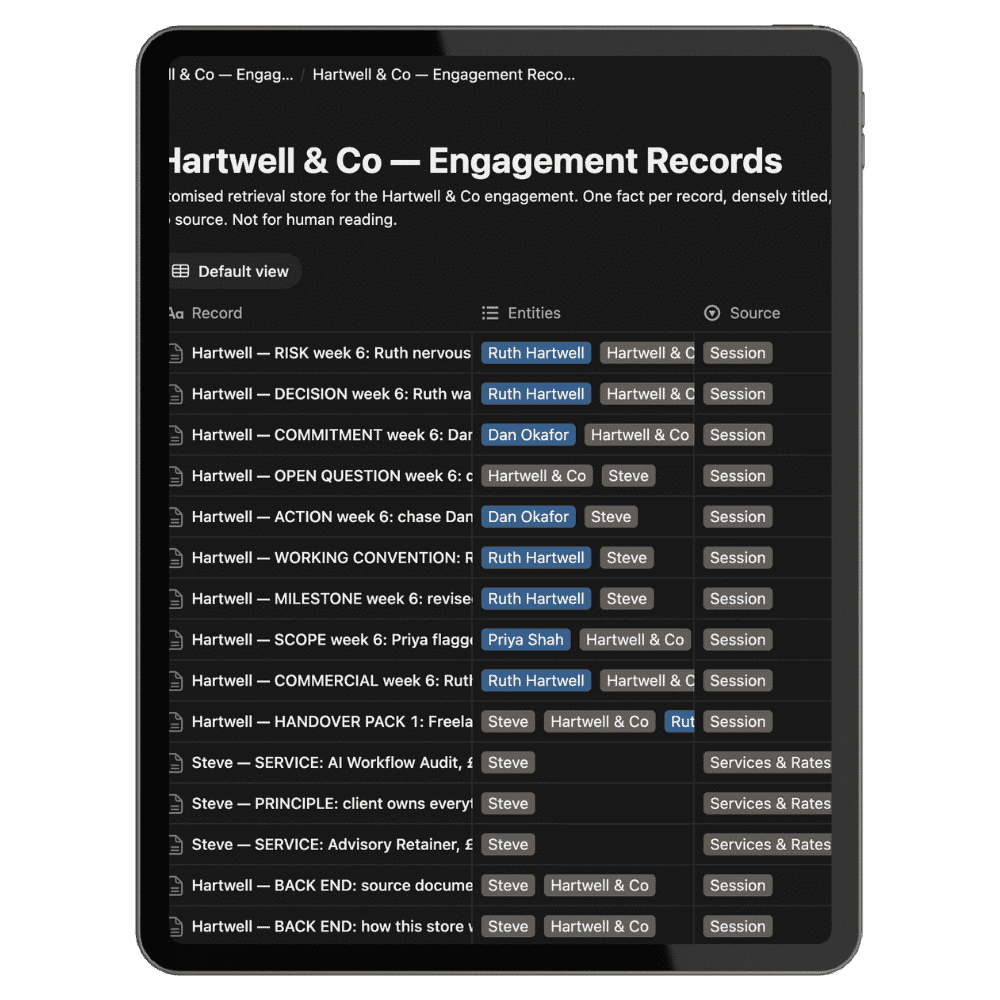
M2 - Your AI Virtual Assistant
A client memory bank that knows your work. Instant answers instead of hunting through docs, email and chats.
INSTANT ACCESS | INCLUDED
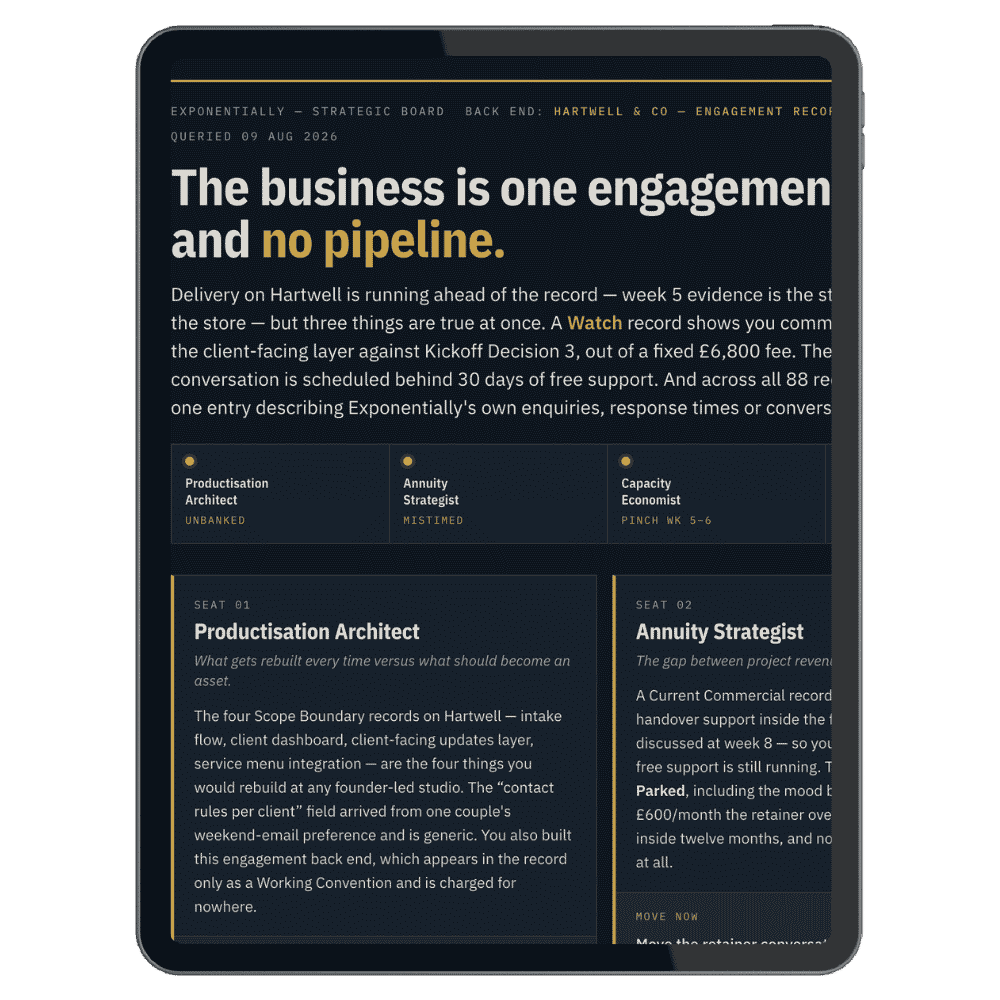
M3 - AI Strategic Advisors
Straight, objective direction - not an AI that just agrees with you. Your own board of advisors, on call.
INSTANT ACCESS | INCLUDED
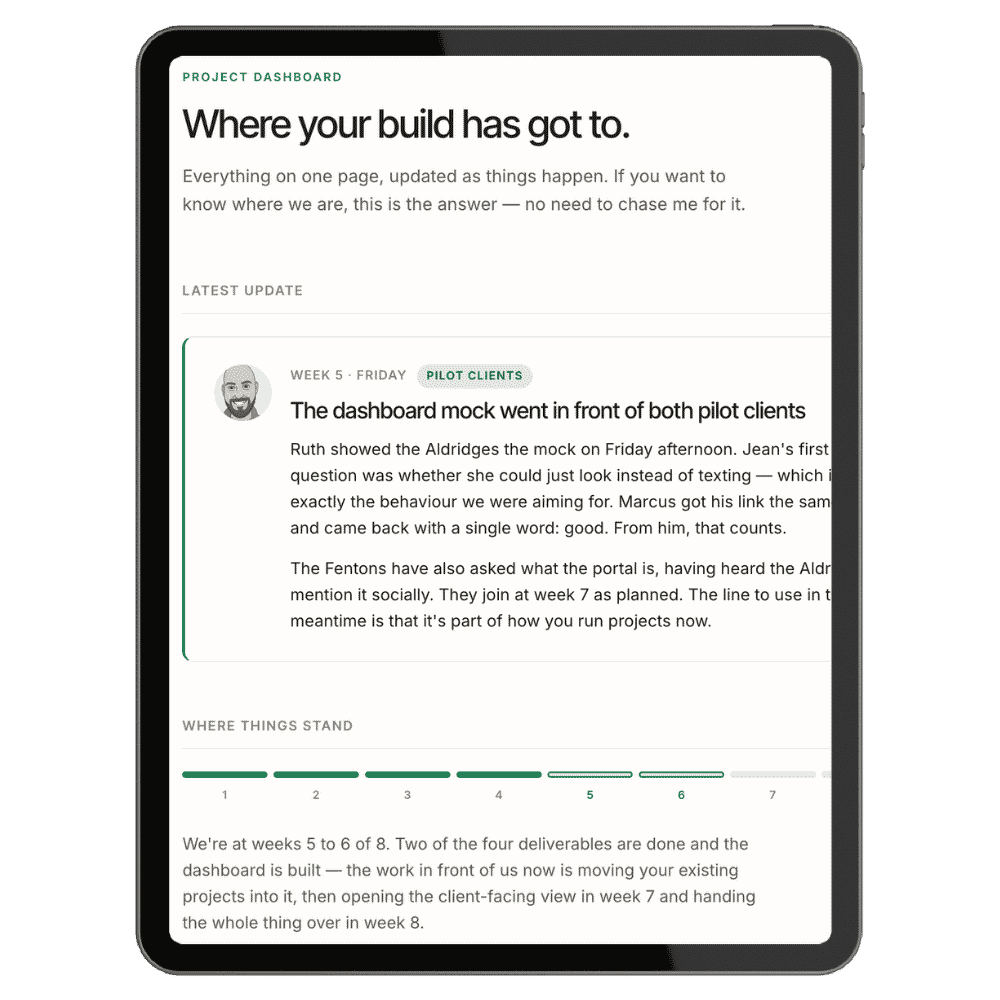
M4 - Email Escape Hatch
Delete the days lost to email updates. Clients get one live dashboard showing where everything stands.
INSTANT ACCESS | INCLUDED
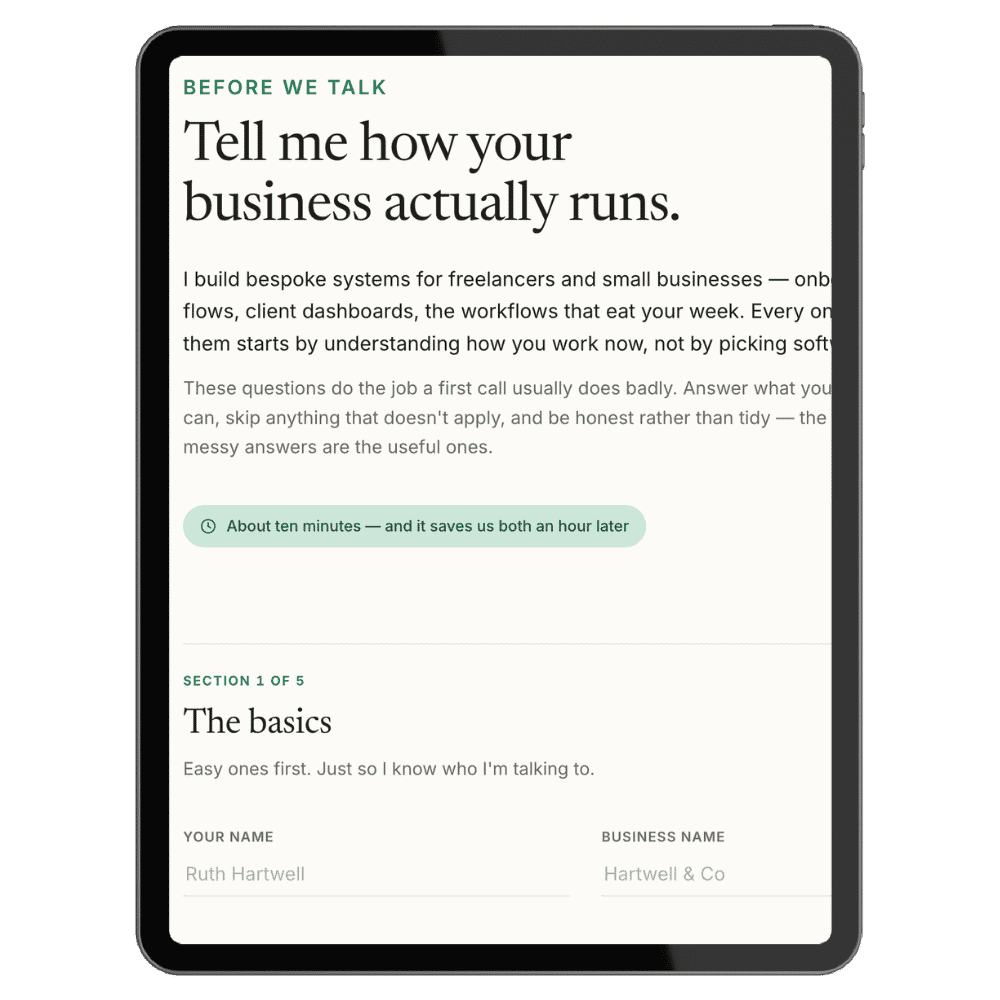
M5 - Constant Context
Never start from scratch again. Carry your full context forward - no re-explaining, no drift.
INSTANT ACCESS | INCLUDED
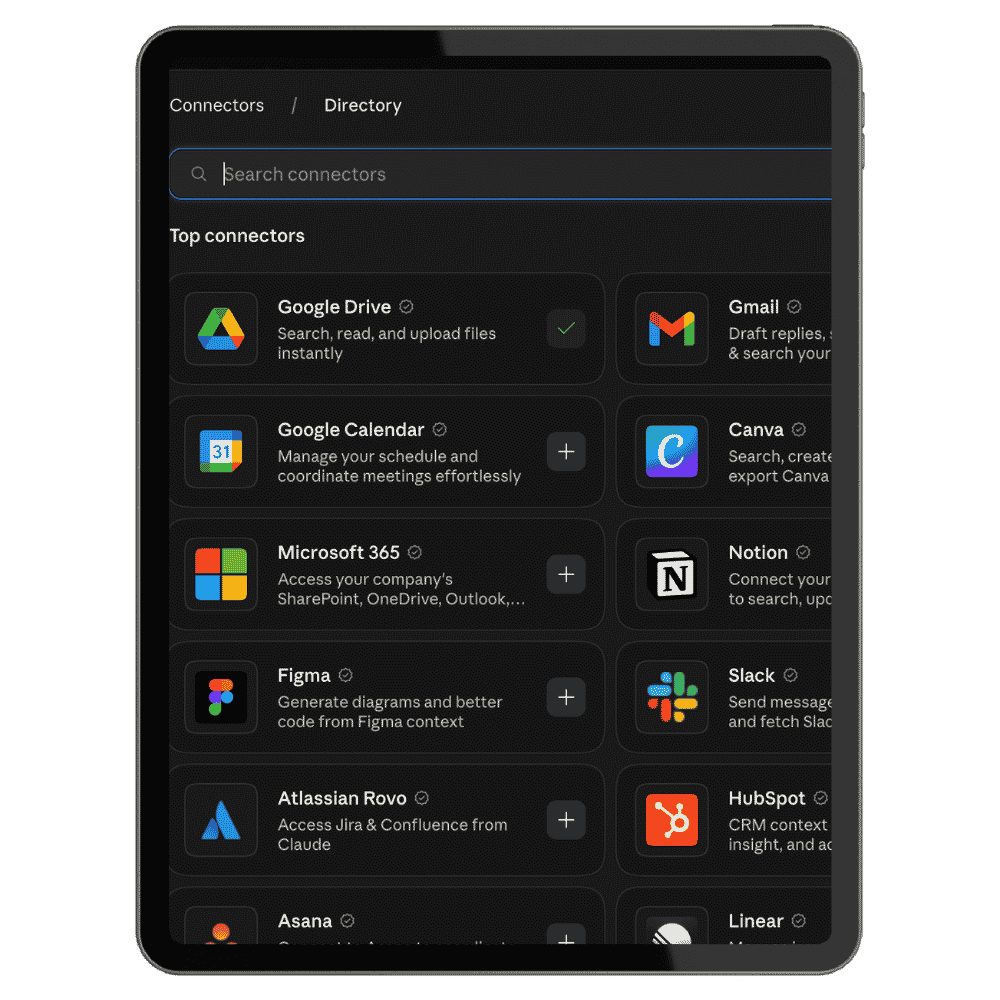
AI Workflows to AI Deployments
Connect what you’ve built to your live inbox and apps, so your workflows run your actual day.
INSTANT ACCESS | INCLUDED
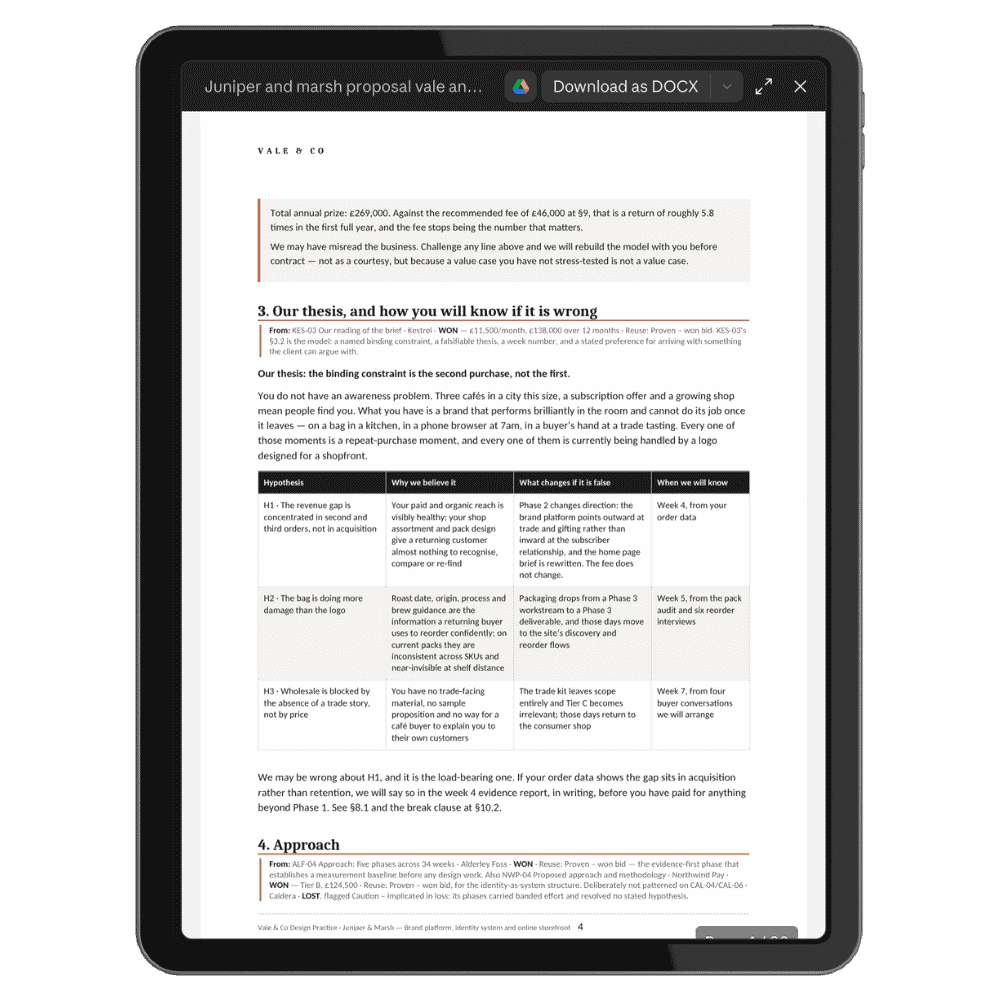
Rapid Proposal Process
Every proposal you’ve sent becomes a system that drafts the next one. Tailored first draft in minutes.
INSTANT ACCESS | INCLUDED
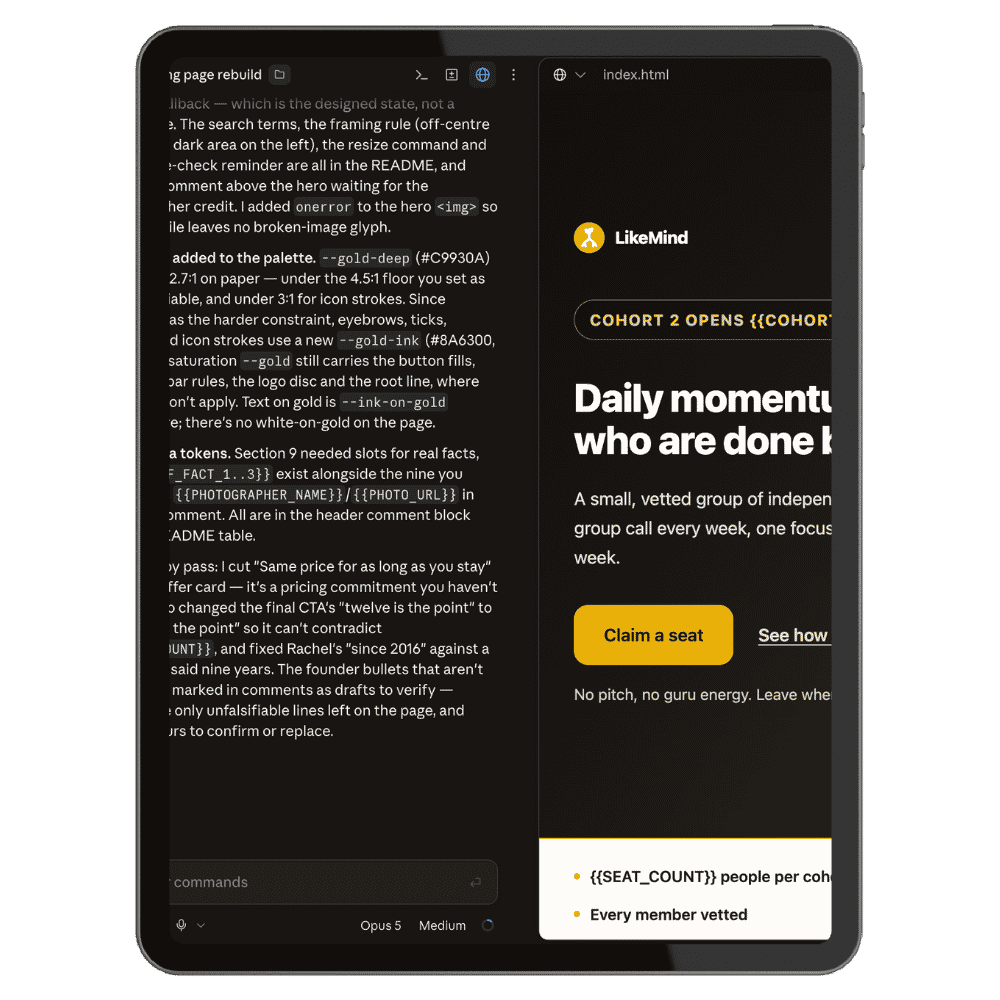
One-Shot Websites
Flip the legacy site that costs you monthly to one you own and can change yourself, same day. No developer.
INSTANT ACCESS | INCLUDED
Only $97 $37
Save $60 today
Get the full course - transform your business into an AI-First Fulfilment Model - for just $37. Start your first module in the next 2 minutes.
Now Available For Instant Download
Secure checkout · Instant access · 30-day money-back guarantee
What’s Actually Possible Now.

Who’s everybody hiring?
The role that’s emerging is the AI Orchestrator: someone who connects AI tools to their own expertise, applies judgement, and turns that into outcomes.
— Upwork Future Workforce Index, 2026
The tool's the easy part.
The tool isn’t the problem - knowing what to ask it, and what to do with the answer, is.
— Harvard Business Review, 2025
Stay human.
The best people to build for humans are humans who understand those problems very deeply.
— Lovable, via Mercury, 2026
You don’t have to be technical.
84% of AI coding tool adoption is from people with no engineering background at all. Freelancers who learn to master AI can add services to their portfolio and charge more.
— Value Add VC, 2026
Sell your own products.
Describe what you want and build it yourself, today, for the cost of an API call. Freelancers are adding app development to their service offerings - and charging more.
— Serenities AI, 2026
The new norm.
‘Vibe coding’ - building software by describing what you want - was Collins Dictionary’s Word of the Year for 2025.
— Collins Dictionary, 2025
By the end of the AI Freelance Formula, you’ll be able to tap into and harness tools like these.
Get instant access for only $37
The Only System You’ll Ever Need To Get Your Time Back
- And Your Best Work With It
The tools will keep changing - new models, new features, every month. What doesn’t change is where the results come from. However capable the AI gets, you’re still the start of the sequence: the one who decides what to build, what to hand over, and what the output has to do for your business. Approach it well, and every new tool makes you stronger.
The AI Freelance Formula is built to make you that person - six modules, each one a working system in your business, and the judgement to build the next one whatever the tools become. It’s how we work ourselves, every working day.
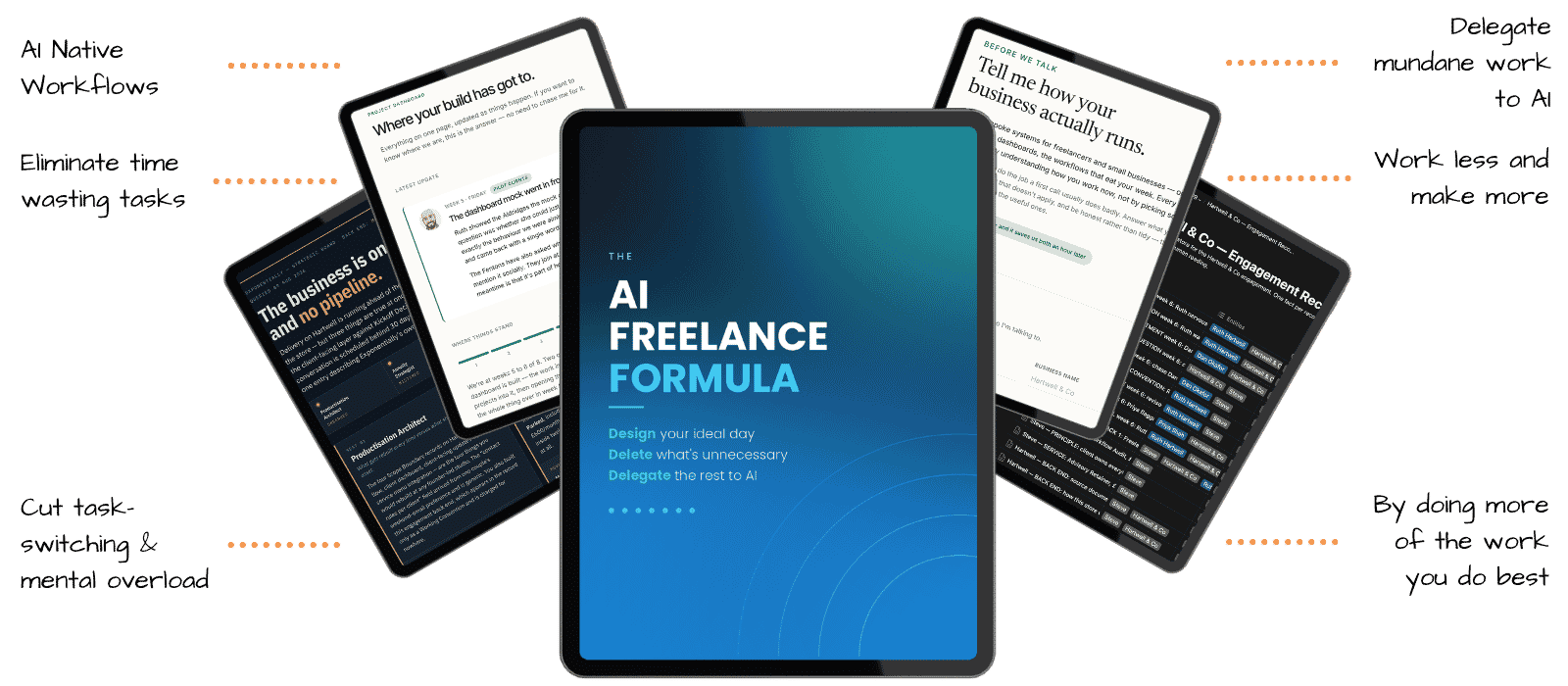
Here’s Everything You’re Going To Learn Inside The AI Freelance Formula
Design your ideal day. Delete what shouldn’t exist. Delegate the rest to AI.
Design
We’ll show you how to design your ideal workday as a freelancer, optimise your workflows, and set yourself up so you’re firing on all cylinders from the minute you get out of bed to perform at your best for clients.
- Reduce the clutter in your day
- Design a client workflow and roster that works for you
- Set yourself up to perform at your best for every client
Delete
Then we’ll show you how to delete all of the unnecessary, tedious tasks that have been getting in your way and holding you back - the ones that don’t actually need to be done. Some of it has to stay because it has to be done. Some of it is just busywork burning your time - and we’ll show you how to get rid of it entirely.
- Spot the useless tasks and get rid of them
- Figure out what to automate and what to leave alone
- Create an environment where the only things that reach your desk are the ones that actually need to be done - not mindless busywork
Delegate
And then, in the delegate step, we’ll take everything we’ve designed and everything we’ve deleted in the first two steps, condense it down to only what matters, show you how to figure out what to automate, and delegate it to AI most efficiently.
- Build workflows that handle the tedious work for you
- Automate client outreach
- Optimise email flows and responses
- All of the tedious work most freelancers drown in - that you won’t have to now that you have the AI Freelance Formula
Freelancers Save Avg 8.1 Hours Every Week With AI
This is how to beat the average
International Freelancer Day Survey, 2025
This Is Already Happening.
Complex, AI-augmented work: earnings up 45% in a year. Demand for AI-related freelance skills up 109%. Generic “do-it-for-me” AI tasks: pay down 13%.
— Upwork Future Workforce Index, 2026
“Thinking work” is becoming as cheap as cloud storage - and the first one-person billion-dollar company is expected as soon as 2026.
— Forbes, 2025

The key constraint is no longer access to technology, but the ability to make your decision-making explicit - to turn what you know into structured guidance an AI can use.
— Harvard Business Review, 2026

Three in four UK freelancers couldn’t raise their day rate last year. Same clients, same hours, less real income. Standing still has become the expensive option.
— IPSE, 2026

What you can create, build and automate is no longer a technical question. It’s a confidence one - and that’s what the AI Freelance Formula gives you.
Here’s Everything You’re Getting With The AI Freelance Formula For Only $37
No technical background needed. You’re hand-held through every module - and each one ends with something real running in your business.
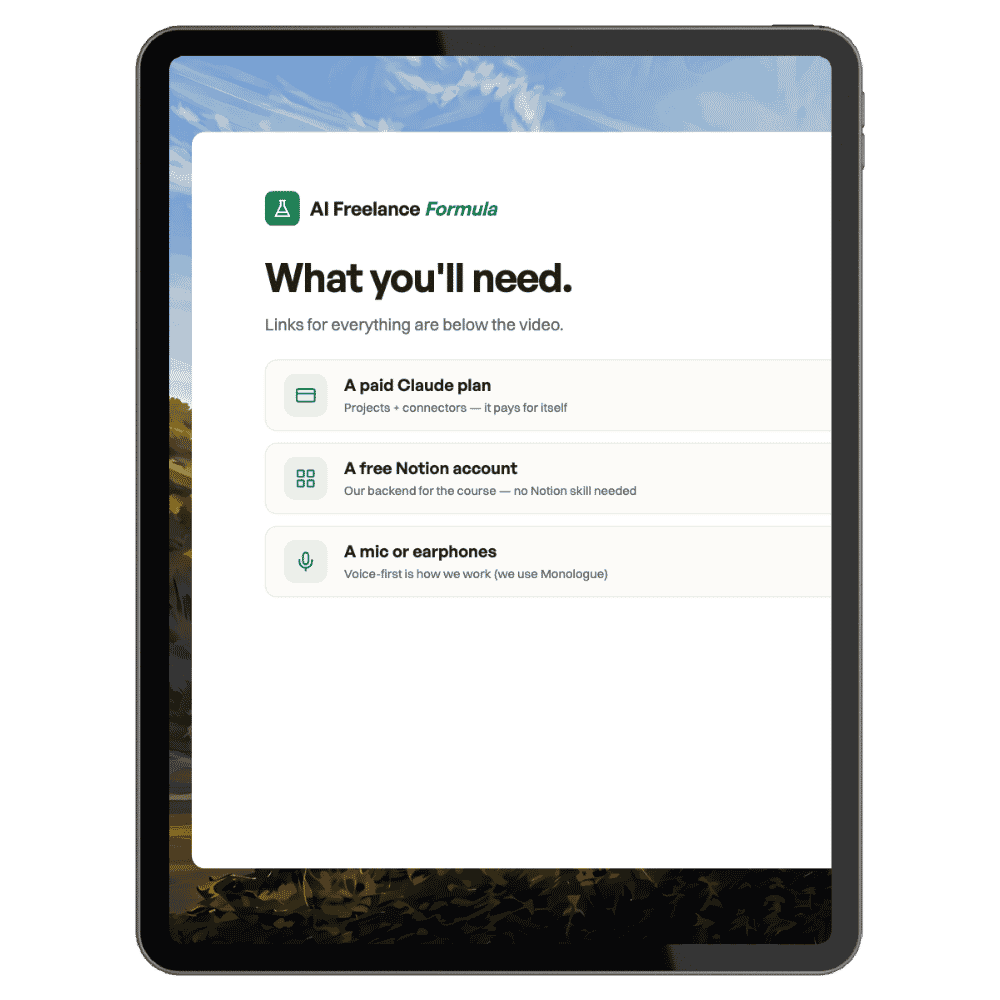
M0 - Welcome
What to expect and what you’ll need. Straight in, no padding - know exactly what the course covers and the essential tools you’ll need access to.
INSTANT ACCESS | INCLUDED
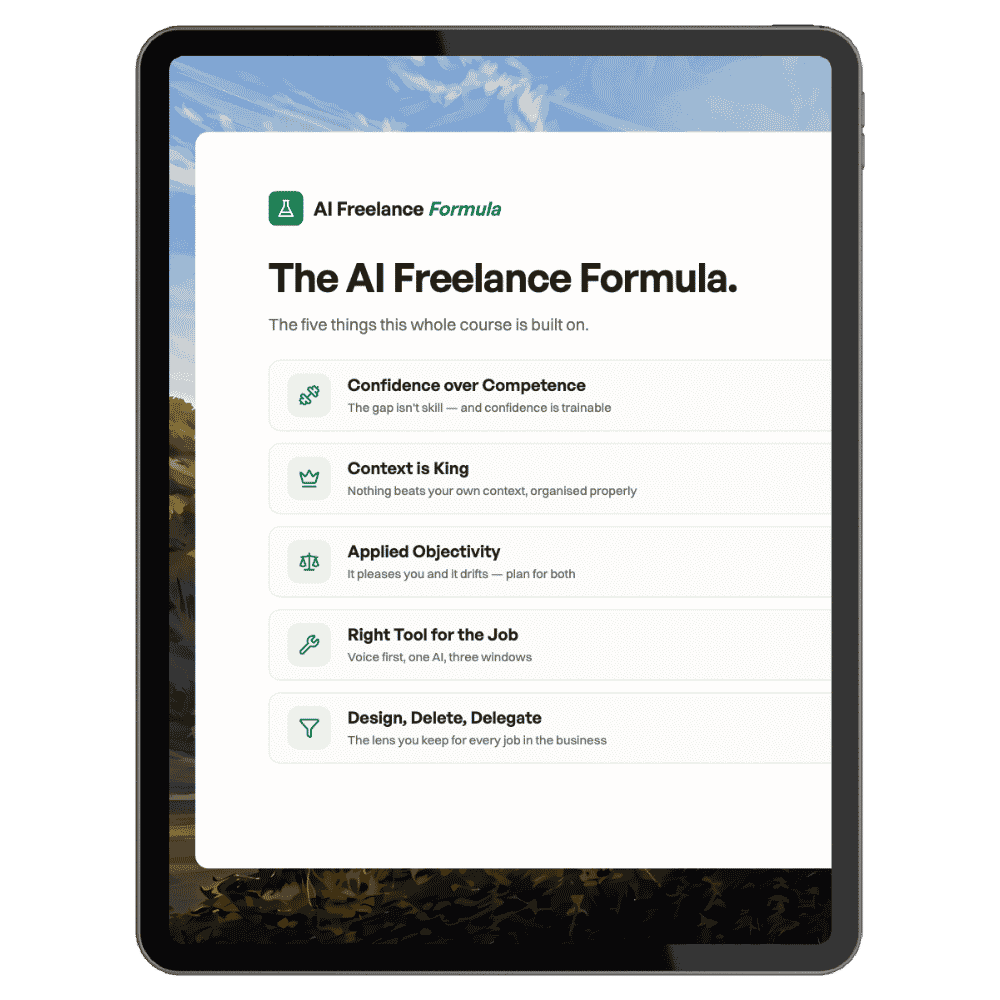
M1 - Freelance AI Essentials
Set up AI so it works for you instead of eating your time. Stop typing - start talking your business in.
INSTANT ACCESS | INCLUDED
M2 - Your AI Virtual Assistant
Build a client memory bank that knows the specific answers about your clients and your work. Your whole business, on call 24/7.
INSTANT ACCESS | INCLUDED
M3 - AI Strategic Advisors
Straight, objective direction on your business - not an AI that just agrees with you. Your own board of advisors that actually gets your business.
INSTANT ACCESS | INCLUDED
M4 - Email Escape Hatch
Delete the days lost to email updates. Replace them with a live client dashboard your clients can check any time.
INSTANT ACCESS | INCLUDED
M5 - Constant Context
Never start from scratch again. Master the discipline that carries your full context forward, so you can build as big as you like.
INSTANT ACCESS | INCLUDED
AI Workflows to AI Deployments
Connect what you’ve built to your live inbox and the applications you already use - your workflows start running your actual day.
INSTANT ACCESS | INCLUDED
Rapid Proposal Process
Turn every proposal you’ve ever sent into a system that drafts the next one. No more blank page.
INSTANT ACCESS | INCLUDED
One-Shot Websites
Take the legacy site that’s costing you money every month and flip it to something you own, same day, using plain spoken English.
INSTANT ACCESS | INCLUDED
Instant Access To All 6 Modules + 3 Bonuses
Normal Price $97
$37(Save $60 Today)
Get the full course - transform your business into an AI-First Fulfilment Model - for just $37. Start your first module in the next 2 minutes.
No Subscription - One-Time Payment
100% Secure 256-Bit Encrypted Checkout
·
Instant Access

The Delete-The-Risk Guarantee
I know that before buying anything, I want to know exactly what I’m getting - and that it’s backed by a proper guarantee.
Even though it’s only $37, you worked for that money and it counts.
So here’s the arrangement: we give you the Formula that cuts the task-switching, the mental overload and the time-wasting work. You make it your own as you go - your business, your clients, your way of working - so by the end, you’re free to do the work you’re actually good at.
If you’re not genuinely better off, email us at hello@realfreelanceflow.com any time in the next 30 days - any reason, or no reason at all - and we’ll refund your $37 in full. Keep every bonus, template and workflow - and anything you’ve built with them - either way.
That’s the whole deal. The AI Freelance Formula stays with you. The risk stays with us, where it belongs.
Here’s why it’s only $37
We teach freelancers to tip the scales - offer far more value than you ask for in return. This is simply us taking our own advice.
The fastest way to earn trust is to be more useful than you are expensive. So the price stays low, you get everything, and if it’s as good as we think it is, this won’t be the last time we work together.
Frequently Asked Questions
Need help? hello@realfreelanceflow.com
I want this - what exactly am I getting?
You’re getting the full AI Freelance Formula: six short, condensed modules (Welcome, Freelance AI Essentials, Your AI Virtual Assistant, AI Strategic Advisors, Email Escape Hatch, and Constant Context) plus three bonus modules (AI Workflows to AI Deployments, Rapid Proposal Process, and One-Shot Websites). Every module has a comments section - your questions get answered by a human. Instant access, work through it at your own pace.
How much time does this take?
It’s deliberately short. The course is condensed because we value your time - speed is the commodity right now, and we want you using it. No education for education’s sake: less, of the good stuff, is more valuable than more information. Each module produces a real, working output for your business before you move on.
Who is this for?
Busy freelancers. Whether you’re working flat out and still not getting ahead - buried in the admin that surrounds the actual work - or you’re established and making good money but you’ve hit the ceiling of your own capacity. If your week is run by your inbox and your task-switching, this was built for you.
Do I need to be technical?
No. The modules run from least to most technical, and you’re hand-held throughout. Nothing in the core course requires anything more than a willingness to talk out loud at your computer. (One bonus module involves opening a terminal - and we hold your hand there too.) And if you’re wondering whether this is a young person’s game: 44% of freelancers over 50 now use AI daily. You’re not behind. You’re on time.
What will I need?
A paid Claude plan (it pays for itself) and a free Notion account (no Notion knowledge needed). Your laptop’s built-in mic does the rest. That’s it.
How is this different from all the other AI stuff out there?
It’s not a prompt pack, and it’s not education. It’s a short set of real, specific, AI-native workflows with a clear business output from every module - built around your context, so nothing you produce reads like generic AI slop. You stay the specialist in your craft; the course fills in everything around it. See for yourself below.
Why is it only $37 - what’s the catch?
No catch. We’d rather give you more than you paid for and earn the right to keep going. If the Formula does what we say it does, there’ll be a next step - deeper support, bigger tools, faster progress - and that’s a conversation for later, entirely on your terms. For now, $37 buys the whole thing. Get instant access below.
Why is it priced in dollars?
The AI Freelance Formula is priced in US dollars (about £28). Your card handles the conversion automatically - nothing extra to do.
Is there a guarantee?
Yes - a named, unconditional 30-day money-back guarantee (we call it the Delete-The-Risk Guarantee). If it’s not for you, email us within 30 days for a full refund - any reason, or none - and you keep everything you’ve built. Get started risk-free below.
Only $97 $37 Today
Get the full course - transform your business into an AI-First Fulfilment Model - for just $37. Start your first module in the next 2 minutes.
This site is not a part of the Facebook website or Facebook Inc. Additionally, This site is NOT endorsed by Facebook in any way. FACEBOOK is a trademark of FACEBOOK, Inc.
Go from busywork to billable work
Go from busywork to billable work. Go from workflow chaos to client delivery. Go from project overwhelm to project execution.
That’s the whole ladder. The AI Freelance Formula builds it from the foundation up - the thinking, the process, the infrastructure - so what you get is real, specific to your business, and working from day one. Do it, and the return starts straight away and you don’t need to be technical.
The offer isn’t going anywhere. But right now, any freelancer with AI can move faster than companies a thousand times their size - and having a solid foundation is what makes that true for you.
Put it in place now, and everything you do from here changes for the better. That’s what the AI Freelance Formula gives you.
This course teaches workflows and working practices. Your results depend on your business, your clients and your implementation.
This product is brought to you and copyrighted by Exponentially Ltd
